Transportation Management Application Development
Wiki Article
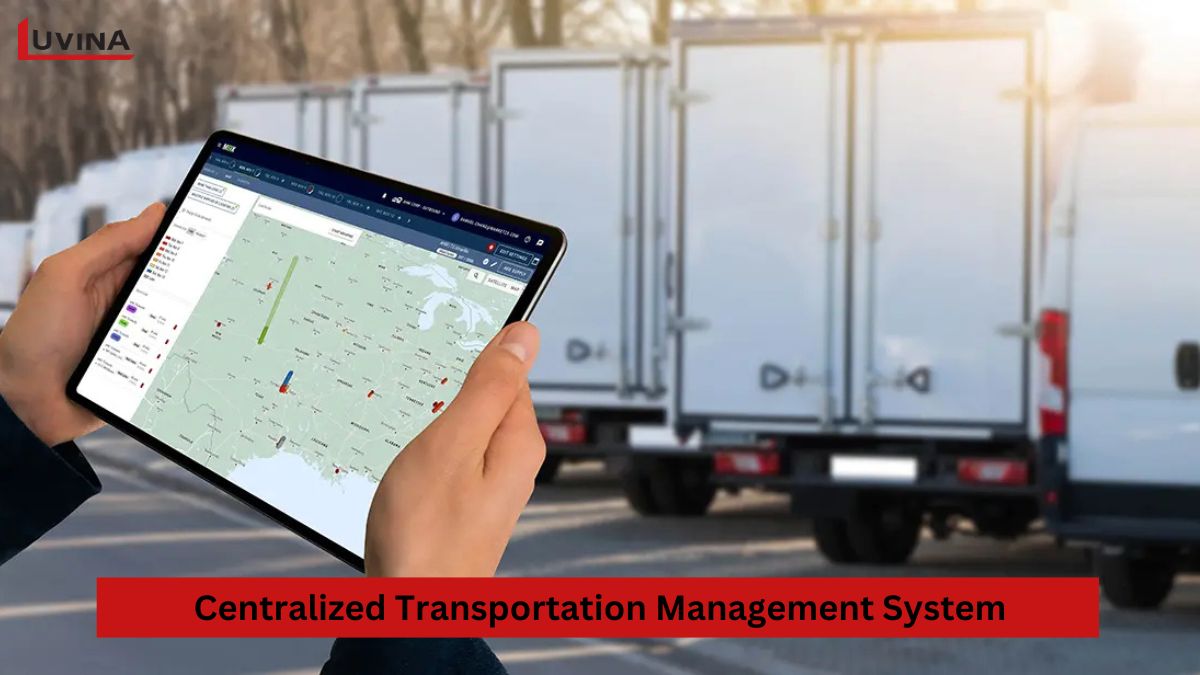
Transportation management application development has now become a lifeline for many companies in the transportation business since the sector is under immense pressure caused by the pandemic. The need for transportation management software has increased gradually during the last few years, and the transportation management market is expected to reach $31.18 billion by 2030 while growing at a CAGR of 15.4%. In a nutshell, implementing transportation management systems can benefit businesses of any size by helping them adapt to the new dynamically changing face of the industry and more demanding customers.
In the article below, let’s discuss the advantages of transportation management software development and how developing a transportation management system can help businesses get ahead in the market in the article below.
What is a transportation management system (TMA)?
A transportation management system is a particular class of software application that helps a business manage its transportation activities better by giving consultation in planning, execution, and optimization of freight movement. These systems offer substantial benefits to transportation and supply chain stakeholders, such as shippers, manufacturers, e-commerce businesses, retailers, logistics managers, and supply chain managers.
A transportation management system is a centralized solution essential for all transport companies
As a comprehensive system, transportation management application development covers all aspects for a clear-cut simplification in the mobility of products right from their source to destination, starting with carrier selection and route transportation management application development planning to real-time tracking. Notably, some leading transportation management software can help logistics companies find the fastest routes and generate activity-tracking documents while ensuring compliance with trade regulations.
The transportation management system can easily integrate with various components, including order management, freight payment systems, and warehouse management, helping businesses improve logistics efficiency, reduce costs, and make more informed production decisions based on real-time data. Report this wiki page